Private Label Hair Straightener Cost: A 2026 Pricing Guide
The Real Cost of Launching a Private Label Hair Straightener Brand
Entering the Beauty Industry with a Private Labeling strategy is one of the fastest routes to market. However, 2026 data shows that 40% of new brands fail due to underestimating the “landed cost” of their inventory.
Launching a Hair Straightener brand requires more than just picking a factory sample. It involves a strategic initial investment that covers product engineering, quality control, and market-ready packaging design.
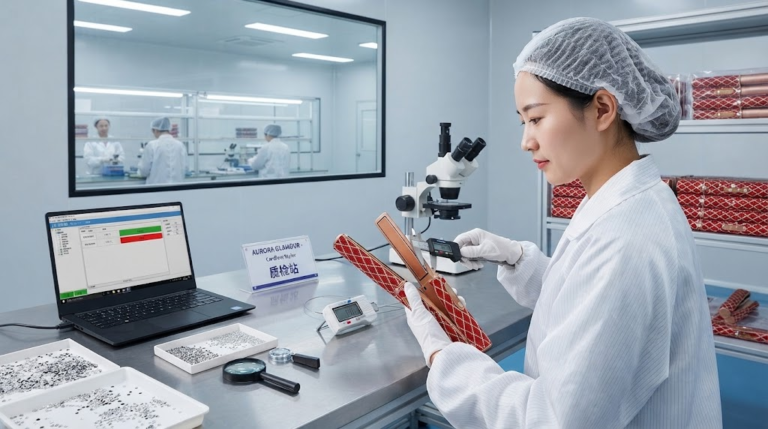
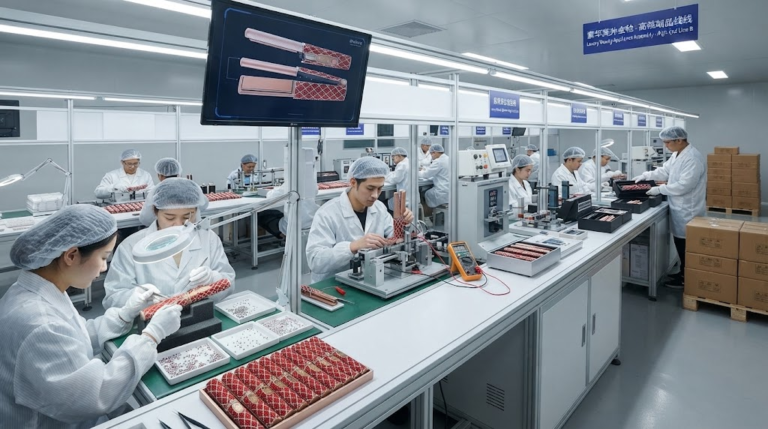
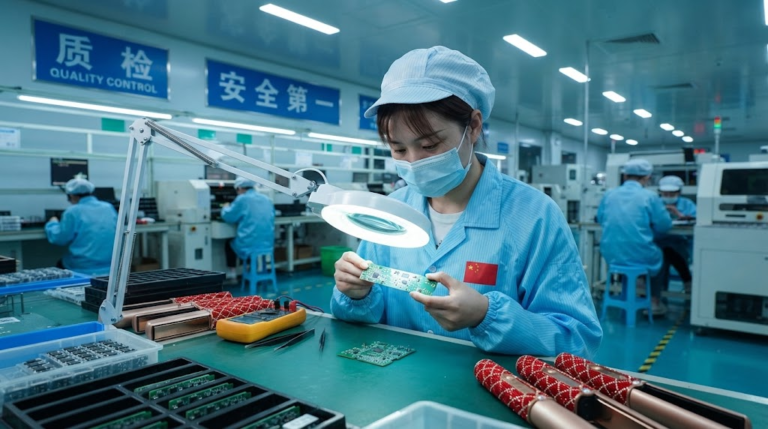
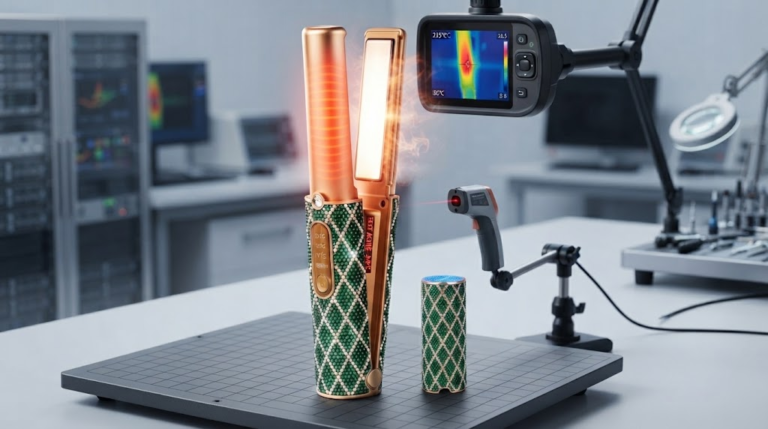
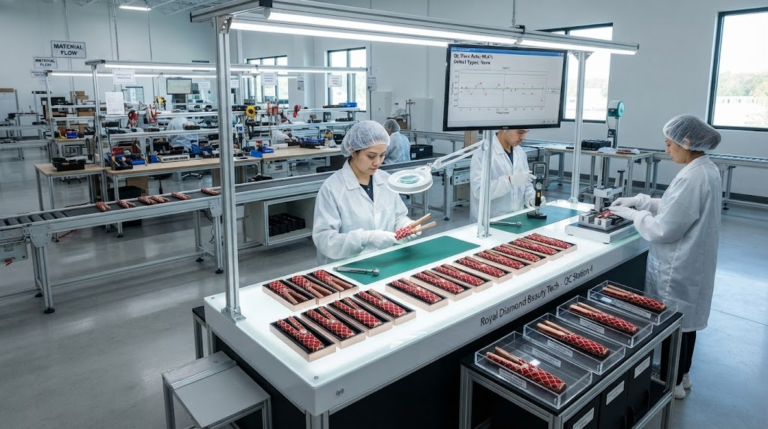
At Light Power Tech, we help partners move beyond “cheap” sourcing. We focus on a high-performance manufacturing model that ensures your product doesn’t just look good but survives the 300-cycle durability test expected by modern consumers.
Unit Pricing Breakdown: Technology and Material Tiers
The private label hair straightener cost varies significantly based on the heating technology and plate materials. In 2026, the market has shifted heavily toward cordless portability and intelligent heat control.
A standard private label hair straightener cost for a mid-tier professional tool typically ranges from $18 to $45 per unit. This depends on your minimum order quantity (MOQ), which usually starts at 500 or 1,000 units for custom colors and logos.
| Tech Tier | Est. Unit Price (1k MOQ) | Key Features |
|---|---|---|
| Standard Corded (Ceramic) | $12.00 – $18.00 | PTC Heating, Basic LED |
| Pro Corded (Titanium) | $22.00 – $32.00 | MCH Heating, LCD Display |
| Elite Cordless (20s Heat-up) | $38.00 – $55.00 | 45min Battery, 200°C Max |
Choosing titanium vs ceramic cost trade-offs is a primary decision. Titanium plates offer faster heat transfer but increase the unit price by approximately 15% compared to tourmaline-infused ceramic.
For more details on specific hardware options, view our Wholesale Hair Tools Catalog.
The 4-Pillar Scalability Matrix: Our Proprietary Budgeting Framework
To avoid cash flow bottlenecks, we utilize the 4-Pillar Scalability Matrix. This framework divides your budget into four distinct zones to ensure a balanced E-commerce launch.
- Pillar 1: Manufacturing & R&D (45% of budget): Covers the unit price, tooling fees for custom molds, and initial prototypes.
- Pillar 2: Compliance & Legal (15% of budget): Includes safety standards testing, trademarking, and FCC compliance.
- Pillar 3: Logistics & Fulfillment (20% of budget): Encompasses shipping and logistics, warehousing, and customs clearance fees.
- Pillar 4: Brand & Market Acquisition (20% of budget): Focuses on packaging design, influencer seeding, and digital ad spend.
By following this matrix, beauty entrepreneurship projects maintain enough liquidity to handle re-orders once the first batch sells out. Relying solely on OEM vs ODM manufacturing without a marketing buffer is a common pitfall.
Hidden Costs: Shipping, Customs, and Global Duties
The price you see on an Alibaba quote is rarely the price you pay. Landed cost is the only metric that matters for your profit margins.
In 2026, shipping hair tools globally has seen a shift. While sea freight remains the most economical for large volumes, many brands now utilize “Sea-Air” hybrid models to balance speed and cost.
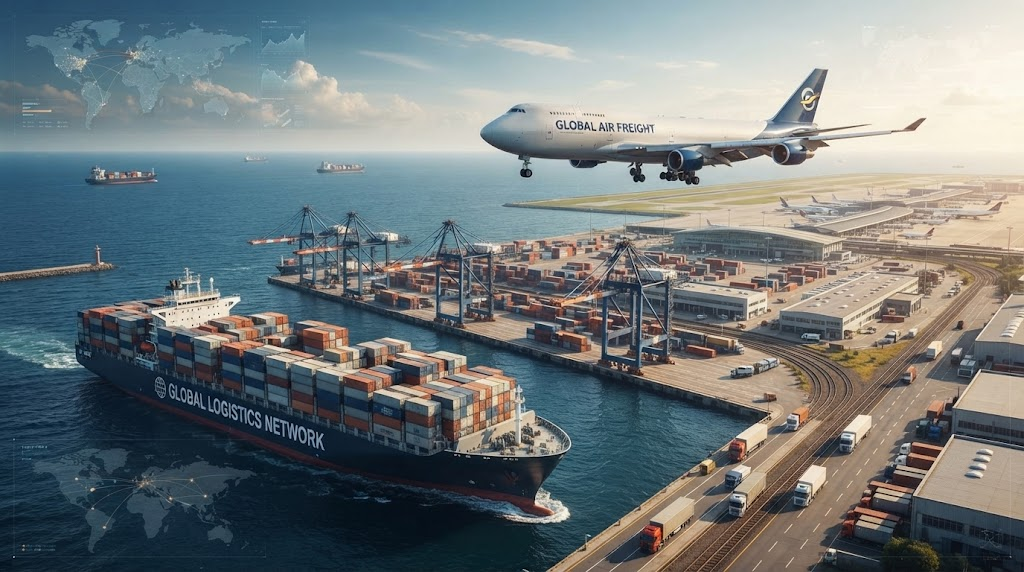
Current 2026 data suggests budgeting $2.50 – $4.50 per unit for sea freight (including import duties) for US-based deliveries. For the UK and EU, you must also factor in VAT, which can significantly impact your retail pricing strategy.
“We’ve observed that brands sourcing from Vietnam may save on certain tariffs compared to China-based manufacturing, but China’s Supply Chain Management infrastructure often results in lower total lead times.” – Lead Logistics Coordinator, Light Power Tech.
Sustainable vs. Standard Manufacturing: The Cost of Going Green
Is a green beauty brand worth the extra cost? For the Eco-Conscious Professional niche, the answer is yes. However, sustainable hair tools come with a manufacturing overhead premium.
Using recycled materials for the outer casing and biodegradable packaging typically increases the unit price by 18%. This is due to the higher cost of PCR (Post-Consumer Recycled) plastics and the specialized molding processes required to maintain structural integrity at high temperatures.
If you are planning an eco-friendly launch, check our Custom Packaging Solutions to see how sustainable materials can still provide a premium unboxing experience.
Certification Requirements: CE, ROHS, ETL, and FCC
Selling electronic hair tools without proper CE marking or ETL certification is a massive legal risk. Retailers and Amazon will not list your products without these documents.
Certification is a one-time branding cost per model, but it is substantial. For a new cordless hair straightener, you should budget:
- CE & RoHS (Europe): $1,500 – $2,500
- ETL/UL (North America): $5,000 – $12,000 (includes ongoing factory inspections)
- FCC (USA – Wireless/EMC): $1,000 – $2,000
For a deep dive into these requirements, refer to our Global Certification Guide. Working with a manufacturing partner that already has pre-certified base models can reduce manufacturing costs by thousands of dollars.
Brand Development and Packaging Aesthetics
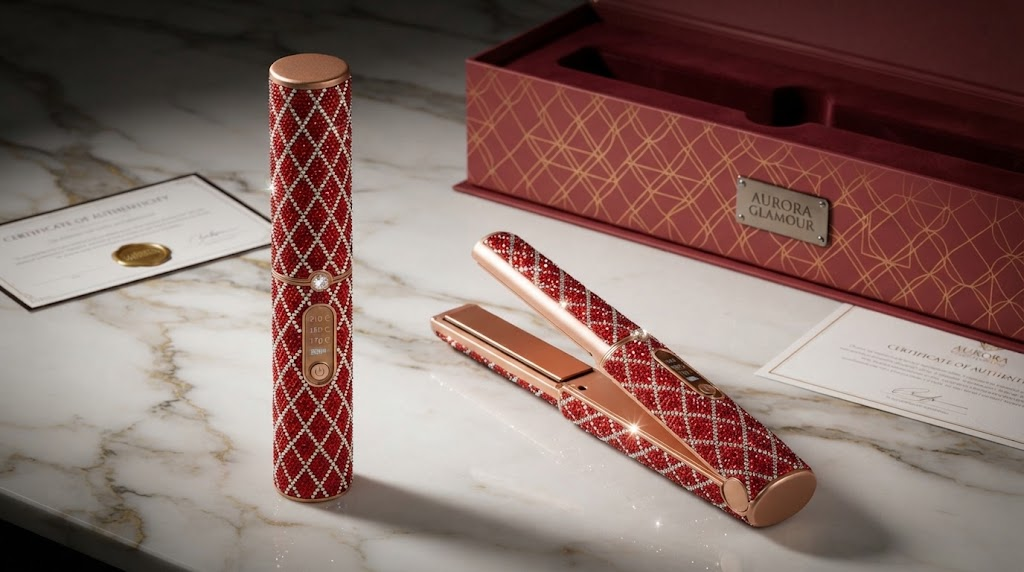
In the age of social media, the unboxing experience is your first marketing touchpoint. Custom packaging cost is often the most underestimated part of the budget.
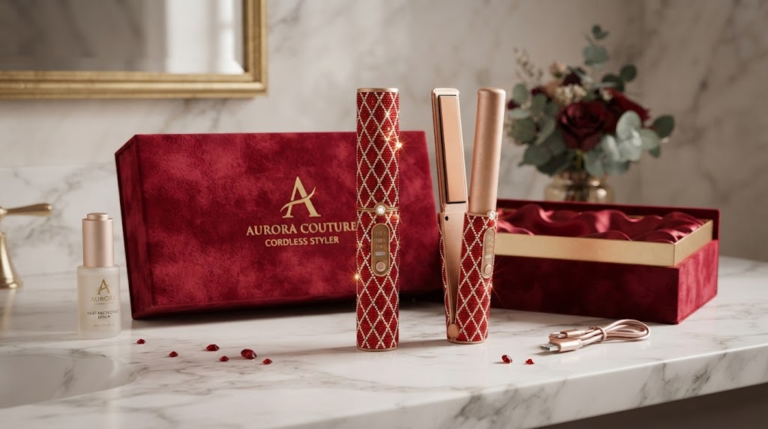
A basic cardboard box with a logo design might cost $0.50, but a premium magnetic-closure box with velvet lining and heat-isolation sleeve can reach $3.50 – $6.00 per unit. High-end brand identity requires consistency across the tool, the cord tag, and the manual.
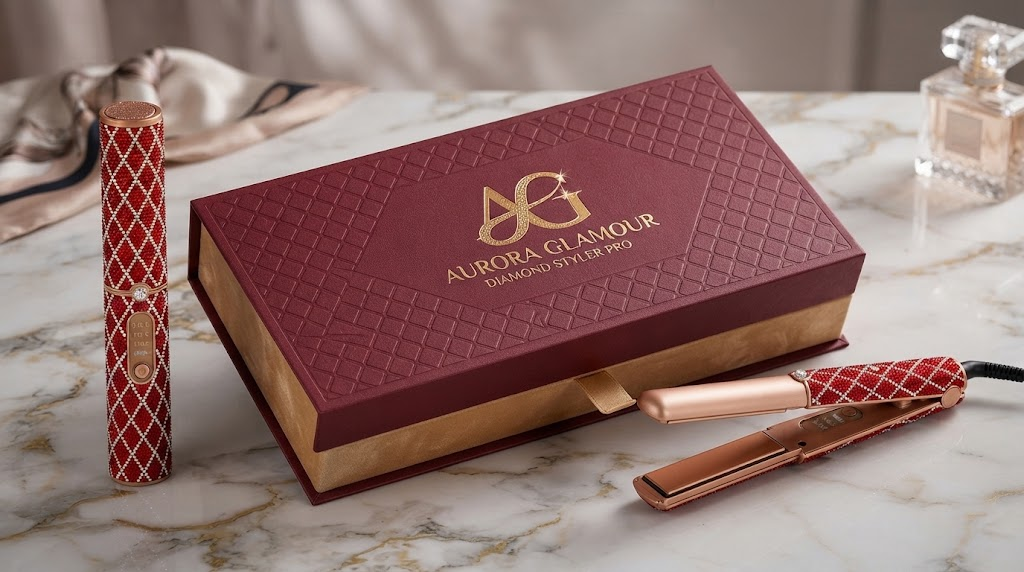
We recommend allocating at least $2,500 for professional packaging design and structural engineering to ensure your product arrives safely and looks “Instagram-ready.”
Frequently Asked Questions About Hair Tool Costs
What is the average MOQ for private labeling?
Most Manufacturing facilities require a minimum order quantity of 500 units for basic branding and 1,000 units for full color customization or unique plate materials.
How can I reduce my per-unit cost?
The most effective way to reduce manufacturing costs is through volume. Increasing an order from 500 to 2,000 units can often drop the unit price by 15-20% due to economies of scale in manufacturing overhead.
Are there hidden fees in the production process?
Yes. Common hidden fees include quality control inspection fees ($300 per visit), bank transfer fees, and customs clearance fees. Always include a 5-10% contingency fund in your financial planning for beauty brands.
About the Author and Methodology
Ready to Engineer Your Brand?
Don’t guess your margins. Get a precise, transparent quote for your private label hair straightener cost today.