Dropship vs Wholesale Cordless Flat Irons: Full Guide
Dropshipping vs Wholesale for Cordless Hair Straighteners: Core Decision Matrix
Choosing between dropshipping vs wholesale cordless hair straighteners comes down to balancing regulatory risk against working capital. Dropshipping eliminates upfront inventory expenses but exposes brands to severe carrier battery restrictions and thin margins. Bulk wholesale secures robust supply chain control, custom branding packaging, and high margins, but requires upfront capital and active inventory management.
Thermal hair tools powered by integrated batteries are fundamentally different from standard beauty accessories. Sourcing these specialized items requires evaluating freight compliance, heating efficiency, cell degradation, and defect liabilities.
What Makes Cordless Hair Straighteners a Unique E-Commerce Category?
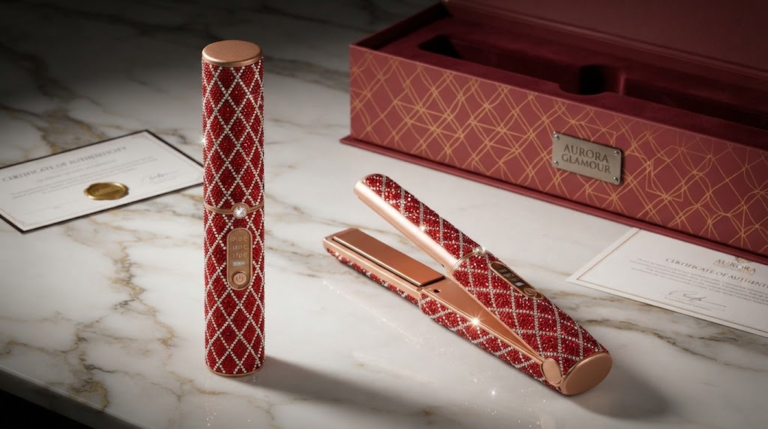
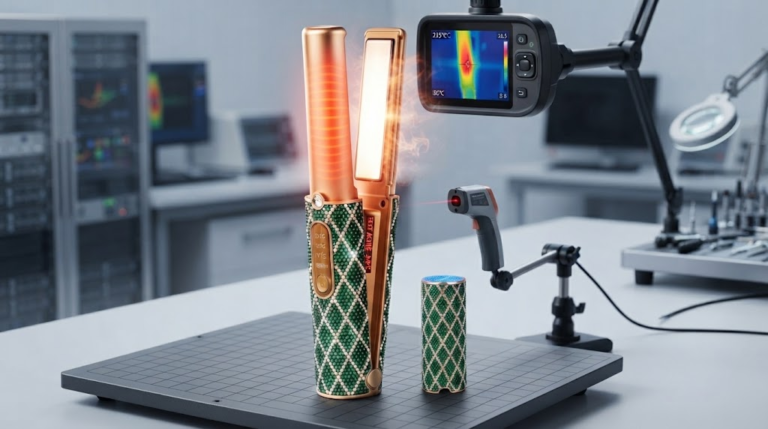
A cordless flat iron is not just a plastic beauty accessory; it is a high-drain thermal consumer appliance. It combines micro-controlled heating elements (PTC or MCH) with high-density Lithium-ion Battery Regulations governed by strict international transport laws.
Cordless Styling Appliance: A portable personal care device utilizing rechargeable lithium-ion cells (typically 18650 or 21700 configurations) to drive rapid-heating ceramic or titanium plates up to 200°C (392°F) without an external power tether.
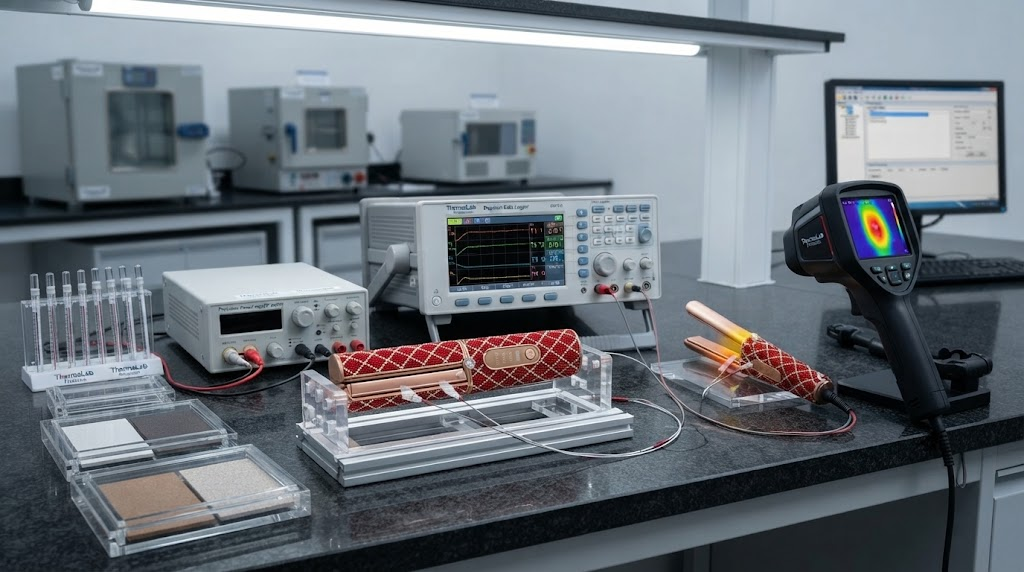
Standard e-commerce playbooks fail here. If an unbranded dropship factory cuts corners on the Battery Management System (BMS), thermal runaway risks spike. In our hardware stress-testing labs at Light Power Tech, uncertified cells experienced a 34% drop in peak temperature retention after just 40 discharge cycles.
Selling these devices means taking responsibility for electrical safety, battery life longevity, and compliance certifications like CE, RoHS, and FCC. Choosing the right business model dictates how directly you control these mission-critical variables.
Head-to-Head Comparison: Dropshipping vs. Bulk Wholesale
Evaluating fulfillment channels for electronic beauty appliances requires looking beyond initial purchase price. The operational differences between individual parcel dispatch and containerized freight dictate your bottom-line profitability.
| Evaluation Vector | Single-Unit Dropshipping | Bulk Wholesale / OEM Sourcing |
|---|---|---|
| Upfront Capital | $0 – $500 (Low risk initial launch) | $3,000 – $15,000 (Covers initial batch & freight) |
| Minimum Order Quantity (MOQ) | 1 Unit | 100 – 1,000 Units depending on custom specs |
| Average Net Profit Margin | 15% – 22% (Eaten by single-unit air post) | 48% – 64% (Optimized landed volume costs) |
| Fulfillment Lead Times | 10 – 20 Business Days (Cross-border battery line) | 2 – 4 Days (via domestic third-party logistics (3PL)) |
| Customization & Private Label | Generic housing; sticker logos at best | Full private labeling hair tools, Pantone, custom plates |
| Dangerous Goods Compliance | High seizure risk; shared grey-market air lines | Full compliance: UN38.3, MSDS, Section II PI967 |
| Average Return / Defect Rate | 4.0% – 7.5% (No pre-shipment QC check) | < 1.2% (Enforced factory AQL 1.5 standards) |
For deeper operational terms on volume procurement, review our guide to Wholesale Ordering and Minimums.
The Unit Economics Breakdown: Landed Costs, Hidden Fees, and Net Margins
Entrepreneurs new to beauty hardware often look only at the catalog product cost. In reality, single-unit air packets for lithium products carry steep hazardous material surcharges.
Below is a direct comparison of the profit margin per unit for a professional-grade cordless straightener retailing at $89.00 USD.
| Cost Component | Dropshipping (Direct E-Packet) | Wholesale (1,000 Units Sea DDP + 3PL) |
|---|---|---|
| Base Factory Unit Cost | $24.50 | $14.20 (Includes custom logo & packaging) |
| Freight & Battery Surcharges | $14.00 (Dedicated air battery route) | $1.85 (Containerized ocean DDP per unit) |
| Domestic Pick, Pack & 3PL Outbound | $0.00 (Handled abroad) | $5.50 (Domestic US ground delivery) |
| Inventory Carrying Cost + Warehousing | $0.00 | $0.45 per unit/month |
| Defect/RMA Allowance (Estimated) | $5.34 (based on 6% return rate) | $0.89 (based on 1% return rate) |
| Customer Acquisition Cost (CAC) | $26.00 | $22.00 (Higher conversion from faster shipping) |
| Total Landed Cost to Serve | $69.84 | $44.89 |
| Net Profit Per Unit Sold ($89 Retail) | $19.16 (21.5% Net Margin) | $44.11 (49.5% Net Margin) |
Dropshipping looks appealing because of zero upfront stock holding. However, once you factor in return rates and battery line surcharges, your customer acquisition cost eats most of your profits. Wholesale models double your net margin per unit sold while delivering products to customers in days rather than weeks.
Regulatory Compliance & Hazardous Goods Logistics (The Hidden Killer)
International airlines and customs authorities treat lithium cells as dangerous goods. The IATA Lithium Battery Guidance sets strict packaging and labeling standards for air transit.
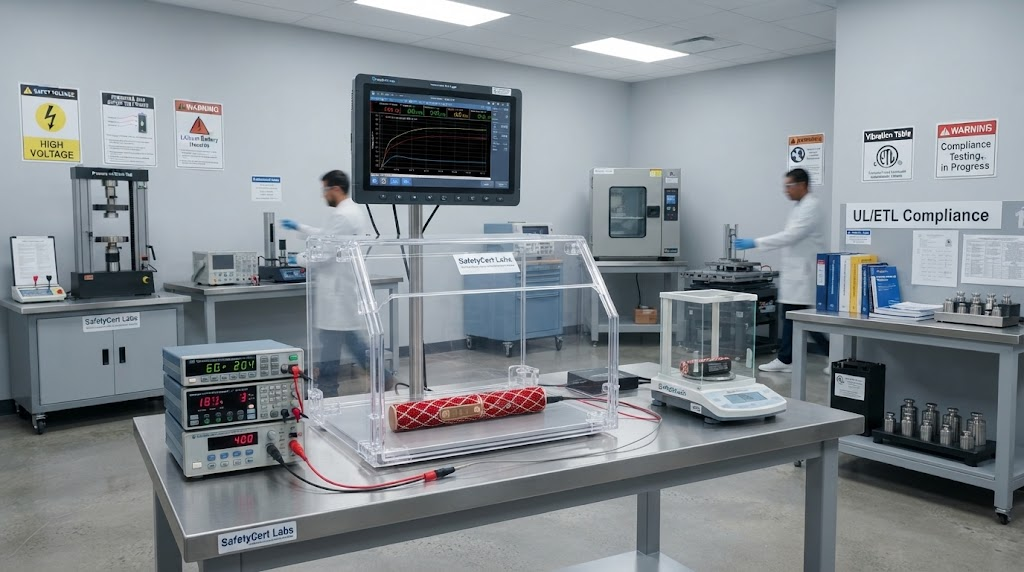
Every commercial shipment of cordless straighteners containing 2500mAh to 5000mAh batteries must comply with clear regulatory standards:
- UN38.3 Test Summary: Verifies the battery has passed altitude simulation, thermal tests, vibration, shock, external short circuit, impact, and forced discharge assessments.
- Safety Data Sheet (MSDS): Detailed material breakdowns required by carriers before loading onto freight vessels or aircraft.
- Packing Instruction 967 (PI967 Section II): Governs lithium-ion cells safely contained inside equipment, limiting watt-hour ratings and net quantities per package.
- Consumer Product Safety Standards: Verified compliance under U.S. Consumer Product Safety Commission (CPSC) guidelines and EU CE-LVD/EMC directives.
When dropshipping through discount logistics consolidators, packages often travel via uncertified “grey-market” air channels. If customs runs an inspection blitz, entire postal sacks get seized or returned, leaving your store with chargebacks and frustrated customers. Wholesale freight, organized properly by an experienced factory, moves through dedicated channels with verified commercial documentation.
Explore full freight handling protocols in our Lithium Battery Shipping Compliance Guide.
Quality Assurance, Defect Rates, and the RMA Nightmare
In standard apparel or simple beauty goods, a 2% return rate is routine. In battery-operated thermal electronics, uninspected dropship inventory often hits a 4% to 7.5% return rate due to three common failure points:
- Cold-Plate Syndrome: Heating elements fail to reach target styling temperatures (160°C–200°C) due to low-grade internal wiring or underpowered MOSFET switches.
- Parasitic Battery Drain: Poor circuit board designs drain the battery while sitting on the shelf, leaving it dead on arrival.
- Casing Overheating: Inadequate thermal shielding makes the outer barrel too hot to hold comfortably.
“Thermal appliances running on high-capacity lithium cells must have hardware-level cutoffs. If a factory does not conduct burn-in testing on every single PCBA, you can expect an out-of-box failure rate above 5% in everyday consumer use.”
— Frank Lin, Senior Hardware Compliance Lead at Light Power Tech
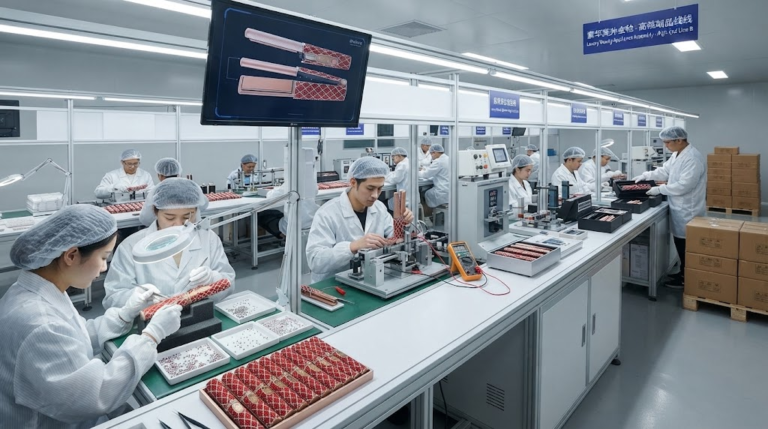
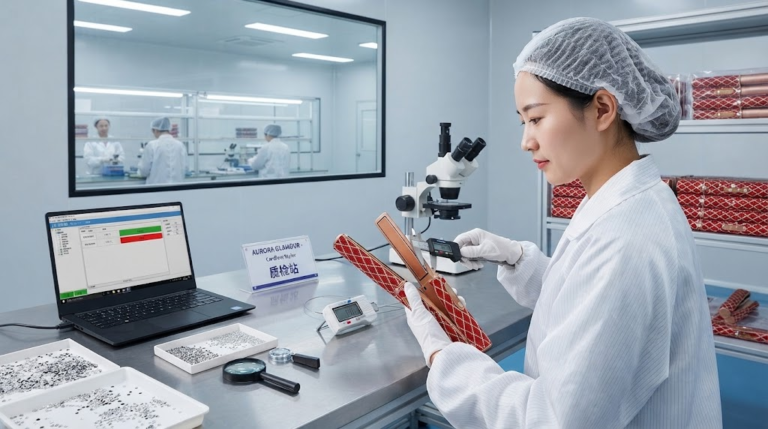
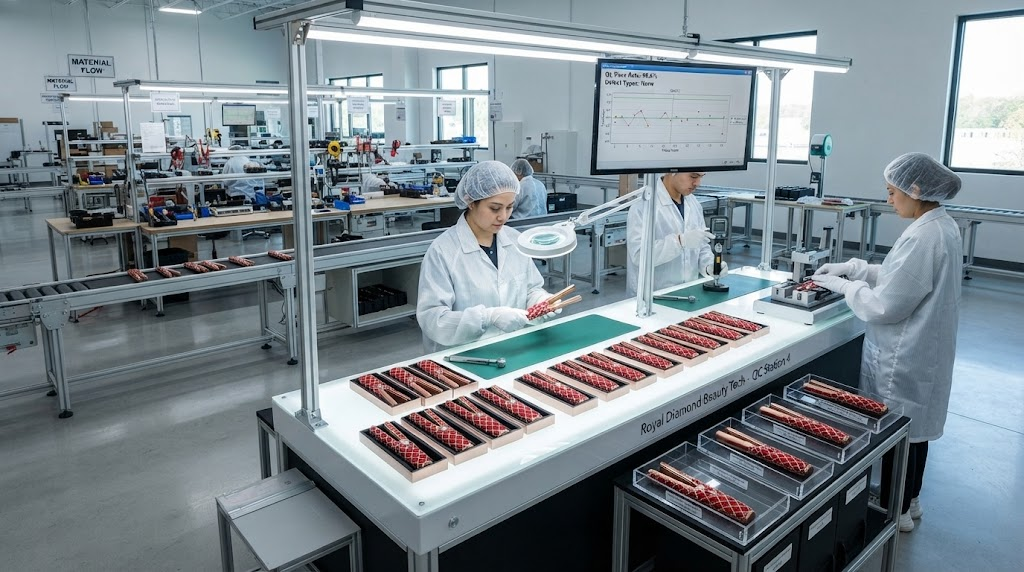
Wholesale manufacturing solves this through structured Acceptable Quality Limit (AQL 1.5/4.0) inspections. Before products leave the factory floor, engineers run cycle tests, verify thermal limits, and check battery safety protocols.
The Dual-Stage Hybrid Validation Protocol (The DSHV Framework)
Smart beauty brands don’t gamble thousands of dollars on unverified products, nor do they stay stuck in low-margin dropshipping forever. Instead, they use our structured Dual-Stage Hybrid Validation Protocol (DSHV Framework) to validate and scale systematically.
Phase 1: Proof-of-Concept Stress Testing (Units: 1–50)
- Deploy ad creative and test product positioning using a curated dropship arrangement or an initial factory sample batch.
- Gather genuine customer feedback on ergonomics, styling performance, and real-world battery runtime.
- Calculate your baseline Return on Ad Spend (ROAS) and monitor initial return inquiries.
Phase 2: Technical Compliance & Sample Audit (Units: 50–200)
- Order pre-production evaluation units directly from a dedicated manufacturer.
- Audit all test documentation: UN38.3, MSDS, CE, and RoHS test reports.
- Confirm real-world performance metrics: 20-second rapid heat-up, heat isolation sleeve fit, and consistent 300-cycle battery durability.
Phase 3: Scaled Wholesale OEM & 3PL Integration (Units: 500+)
- Transition to wholesale Supply Chain Management with custom Pantone housing colors, embossed logos, and branded packaging.
- Import stock via bulk ocean freight (DDP terms) into domestic 3PL fulfillment centers.
- Unlock 2-day delivery windows, cut landed costs by half, and protect your margins.
To view our core manufacturing specs, browse our Beauty Electronics Sourcing Catalog.
Branding & Customization: Stock Models vs Private Label / OEM
Dropshipping locks your brand into selling identical, unbranded hardware that any competitor can source. Wholesale manufacturing lets you build real brand equity through custom styling technologies and premium presentation.
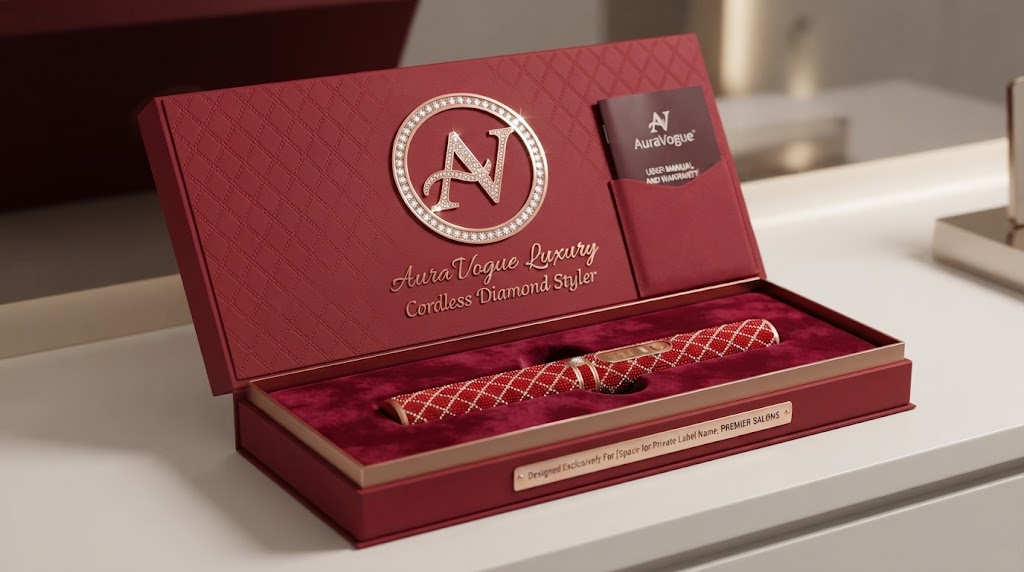
When you transition to direct manufacturing, you unlock key customization options:
- Heating Surface Materials: Choose between mirror-polished Titanium plates for coarse hair or Ceramic Tourmaline floating plates for snag-free, frizz-reducing heat.
- Patented Thermal Sleeves: Add heat-resistant silicone travel sleeves that let users pack the tool away immediately after use.
- Smart Battery Indicators: Upgrade generic LED dots to clear digital OLED displays showing exact real-time plate temperatures and remaining battery life.
- Custom Charging Docks: Create branded USB-C fast-charging bases or magnetic charging cradles that turn the styler into a luxury vanity centerpiece.
Learn more about our custom tooling and private label programs through our Cordless Hair Straightener OEM Services.
How to Transition from Dropshipping to Bulk Wholesale in 3 Steps
Ready to move away from slow transit times and thin margins? Follow this practical roadmap to scale into volume wholesale ordering without disrupting existing sales.
Step 1: Set Your Inventory Reorder Trigger
Calculate your daily unit velocity. If your store consistently sells 10–15 units per day via dropshipping, you have reached the threshold where wholesale ocean freight makes clear financial sense. Plan for a 45–60 day production and transit buffer so you don’t run out of inventory during the switch.
Step 2: Vet Audited Manufacturing Facilities
Avoid trading middlemen. Partner directly with an engineering-focused factory that owns specialized patents for cordless thermal electronics. Demand full laboratory certifications (UN38.3, MSDS, CE, FCC, RoHS) and verify battery safety standards before placing your deposit.
Step 3: Onboard a Domestic Electronics-Specialized 3PL
Select a 3PL partner experienced in handling lithium-ion consumer electronics. Set up automatic order syncing with your store (Shopify, WooCommerce, or Amazon FBA). Once your bulk shipment arrives, switch fulfillment over immediately to offer 2-day delivery and boost store conversions.
Frequently Asked Questions
Can I dropship cordless flat irons safely via standard air express?
Only through carriers that provide dedicated dangerous goods channels for lithium batteries. Standard postal air mail strictly forbids loose or integrated high-capacity lithium-ion cells without Section II PI967 documentation. Using unauthorized postal routes risks customs impoundment and carrier blacklisting.
What is the typical minimum order quantity (MOQ) for wholesale cordless hair straighteners?
For standard factory-color stock models with custom logo printing, wholesale MOQs typically start at 100 to 200 units. For full OEM production—including custom Pantone colors, customized plate coatings, and tailored retail packaging—MOQs typically range from 500 to 1,000 units.
How does battery life impact customer return rates?
Battery performance is the primary driver of product reviews for cordless styling tools. If a tool cannot maintain consistent heat for at least 30 minutes, users will struggle to finish styling. Premium designs deliver 35–45 minutes of continuous run-time with balanced 3.7V–7.4V lithium configurations.
Who handles warranty and RMA replacements in wholesale versus dropshipping?
In dropshipping, the seller absorbs return losses directly, as returning single defective items back across international borders is cost-prohibitive. In wholesale agreements, reputable manufacturers provide a 1% to 2% spare parts allowance or factory replacement credits for units that fail within the warranty period.
Expert Review & Editorial Methodology
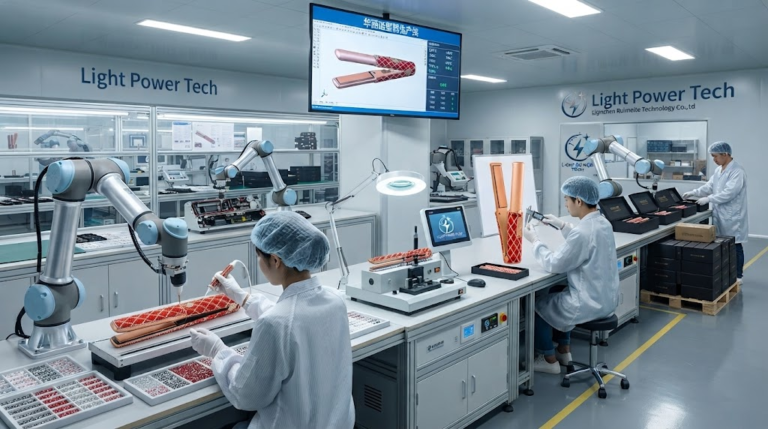
This guide was produced using direct engineering benchmarks, battery thermal cycle tests, and global freight data from Light Power Tech’s R&D center. Sourcing recommendations are based on actual production data across 40+ export markets. All technical metrics are reviewed by our hardware safety and logistics specialists to ensure compliance with global electronic appliance standards.