OEM vs. ODM: Choosing the Best Path for Your Hair Tool Brand
OEM vs. ODM: Which Manufacturing Model Scales Your Hair Tool Brand?
Defining the Models: What is OEM and ODM in the Beauty Tech Space?
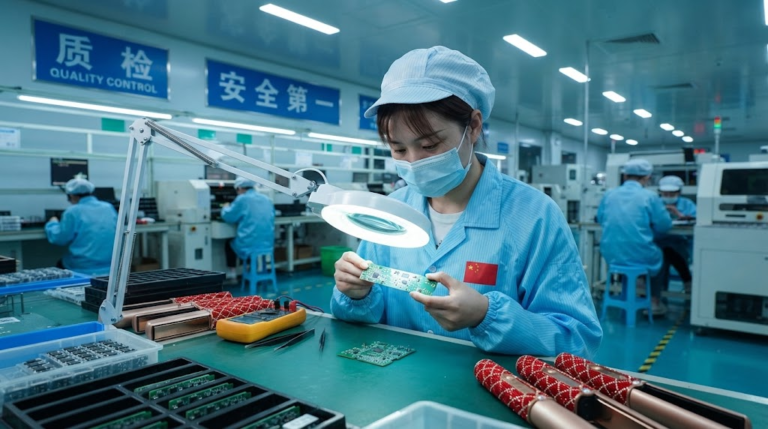
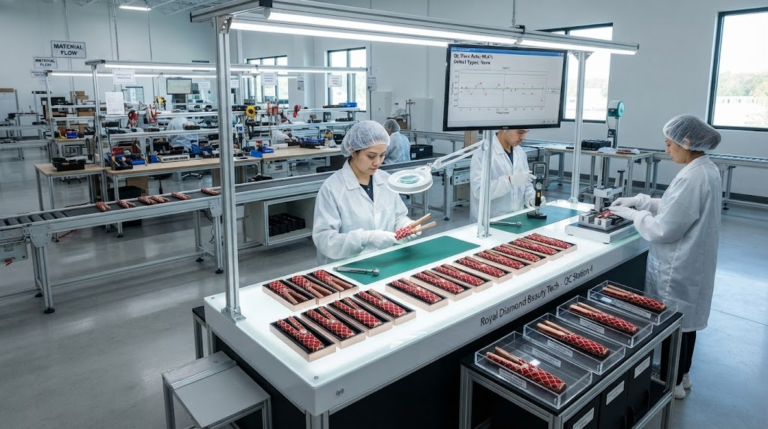
Choosing between OEM and ODM for your hair tool brand depends on your design maturity and technical requirements. While both models involve contract manufacturing, the ownership of the Product Development Lifecycle differs significantly.
Successful beauty brands in 2026 select their model based on the “Manufacturing Agility Gap”—the tension between launching unique, patented innovations and the need for immediate market entry. Original Equipment Manufacturer (OEM) services allow you to provide the blueprints, while Original Design Manufacturer (ODM) services provide you with a ready-made product to which you add your logo.
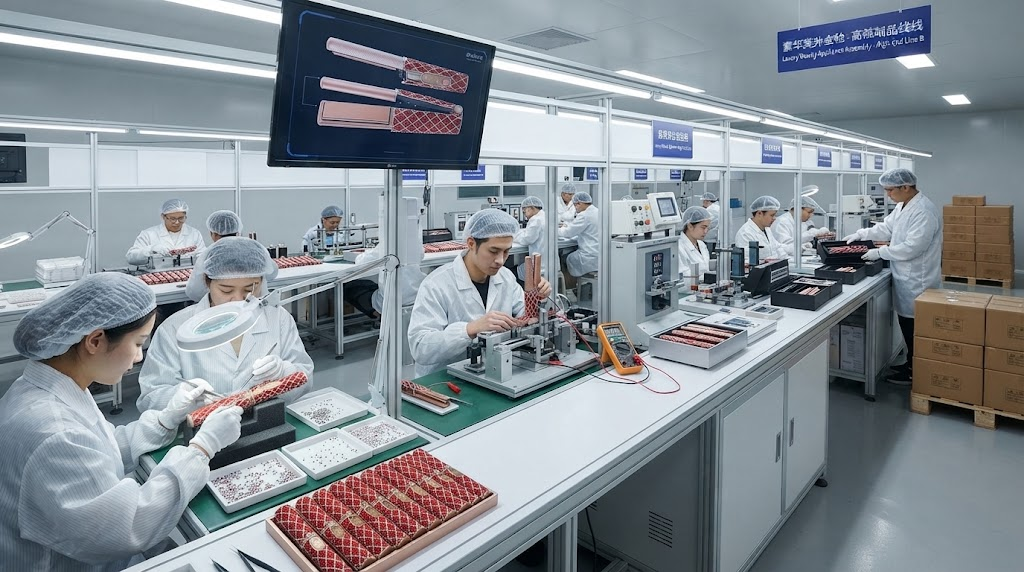
“OEM is your path to innovation; ODM is your path to speed. In the 2026 landscape, the most successful brands often use a hybrid approach to maintain a diverse portfolio.” — Director of Supply Chain, Light Power Tech
The Hair Tool Comparison Table: OEM vs. ODM at a Glance
Understanding the financial and legal implications of each model is vital for long-term brand equity. This table breaks down the core differences for hair styling tools.
| Feature | OEM Model | ODM Model |
|---|---|---|
| Intellectual Property Rights | Full Brand Ownership | Shared or Factory-Owned |
| Minimum Order Quantity (MOQ) | Higher (e.g., 2,000+ units) | Lower (e.g., 500+ units) |
| Manufacturing Lead Times | 6–9 Months | 2–3 Months |
| Tooling Costs | High (Custom Molds) | Minimal or Zero |
The ‘Hair-Tech Velocity’ Framework: Our Proprietary 3-Phase Launch Protocol
To navigate the complexities of Supply Chain Management, we developed the Hair-Tech Velocity Framework. This protocol ensures that your product doesn’t just reach the shelf, but dominates it through technical superiority.
Phase 1: Rapid AI-Prototyping
We use AI-driven simulations to test airflow and thermal distribution before a single mold is cut. This reduces initial development time by 30%.
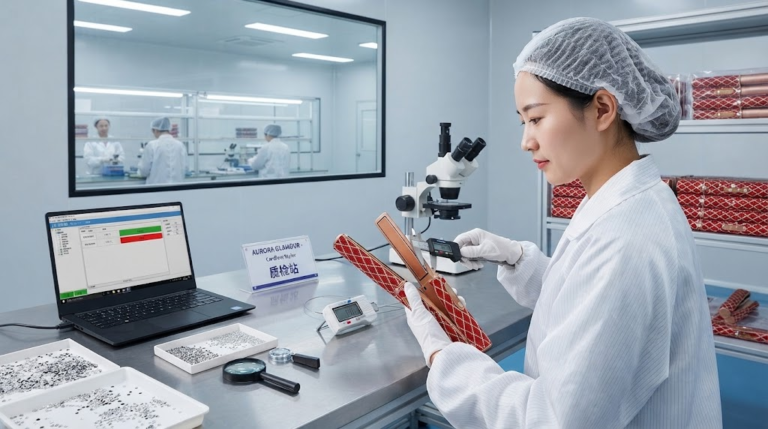
Phase 2: Stress & Safety Validation
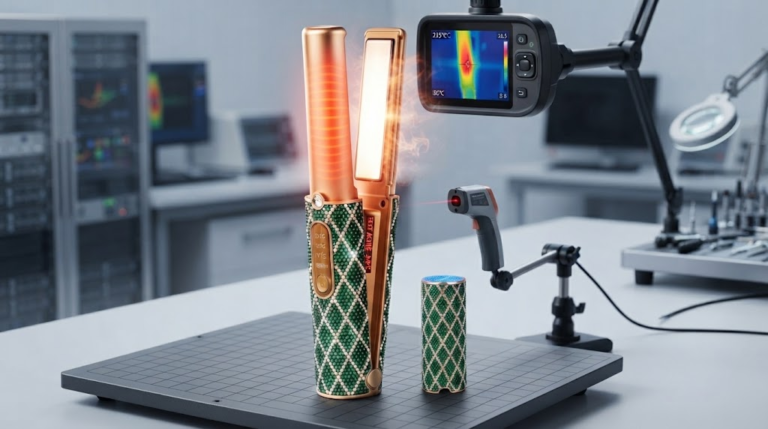
Every device undergoes a 300-cycle durability test. For brands using our Custom Hair Tool Design Services, this phase includes verifying our patented 20-second heat-up technology.
Phase 3: Scaled Deployment
We synchronize manufacturing lead times with your marketing launch, ensuring stock is available globally across 40+ countries simultaneously.
2026 Manufacturing Trends: Integrating AI and 3D Modeling in OEM
The 2026 beauty tech market is no longer satisfied with “standard” styling. Innovation in ionic technology and 3D modeling for manufacturing have become baseline requirements.
At Light Power Tech, we’ve integrated AI in hair tool design to optimize battery efficiency for cordless models. By simulating heat dissipation, we’ve achieved a 45-minute battery life in a compact form factor—a feat that was impossible just two years ago.
Navigating Safety Certifications: UL, CE, and RoHS Requirements for 2026
Compliance is not optional. Selling globally requires a deep understanding of UL certification hair tools standards and the CE mark for European markets. RoHS compliance ensures your products are free from hazardous substances, which is a prerequisite for modern retailers.
For a detailed breakdown of regional mandates, consult our Global Safety Standards Guide. We recommend partnering with manufacturers who hold direct relationships with UL and CE certification bodies.
Calculating Your ROI: Budgeting for Molds, Tooling, and Unit Costs
The real cost of a hair tool isn’t just the unit price; it’s the mold development budget and the ROI calculator variables like defect rates and shipping logistics. Unit cost analysis should always account for the longevity of the mold—high-quality steel molds can produce 300,000 units, whereas cheaper aluminum alternatives fail after 20,000.
Sustainability in 2026: Eco-Certifications for Modern Hair Tool Brands
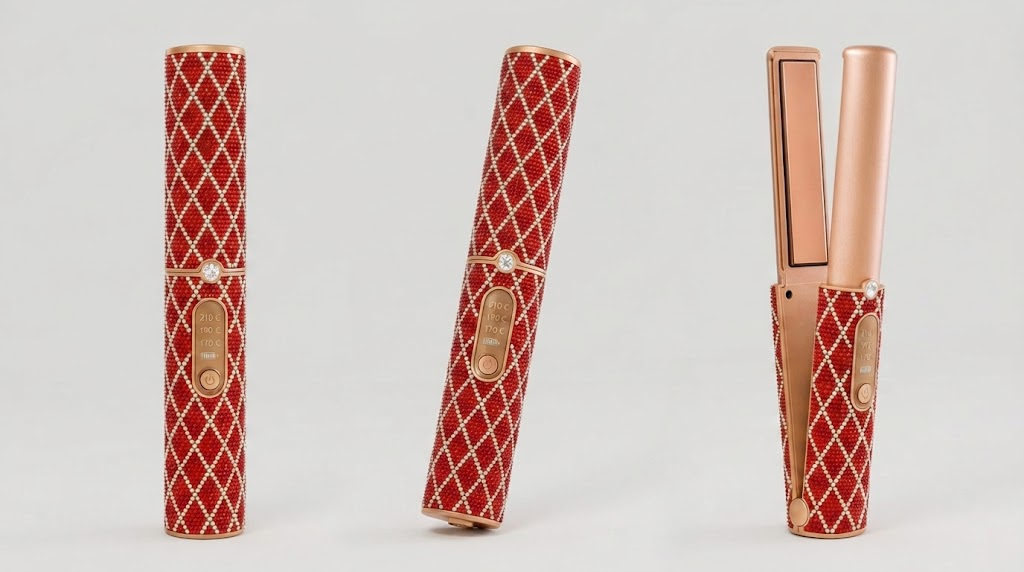
Modern consumers demand sustainable hair tools. Our 2026 initiative focuses on eco-friendly manufacturing using recycled PCR plastics for outer casings without compromising the heat-isolation properties of our patented sleeves.
Read our latest Sustainable Beauty Manufacturing report to see how we are reducing carbon footprints in the beauty tech supply chain.
Frequently Asked Questions about Hair Tool Manufacturing
What is the typical MOQ for hair tools?
For ODM (private label) models, MOQs typically start at 500 units. For full OEM custom developments, expect MOQs of 2,000 to 5,000 units depending on the complexity of the design.
How do I protect my IP during manufacturing?
Ensure you sign NNN (Non-use, Non-disclosure, Non-circumvention) agreements rather than standard NDAs. Working with a manufacturer like Light Power Tech, which holds 21 global patents, ensures your Intellectual Property Rights are respected.
Ready to Build Your Next Best-Seller?
Partner with Light Power Tech to access world-class cordless technology and expert manufacturing guidance.