Cordless vs Corded Hair Straighteners: 2026 Pro Guide
Thermal Performance and the Thermal Stability Index (TSI) Protocol
Corded flat irons pull steady 120V/240V AC current directly from wall outlets, while cordless straighteners draw power from DC lithium packs with regulated current curves. Choosing between cordless vs corded hair straighteners comes down to a balance between unbounded thermal duration and total physical maneuverability across busy session environments.
Traditional flat iron evaluations measure only static heat-up time. In high-output salon environments, idle plate temperature means very little once cold, damp hair passes between the heating elements.
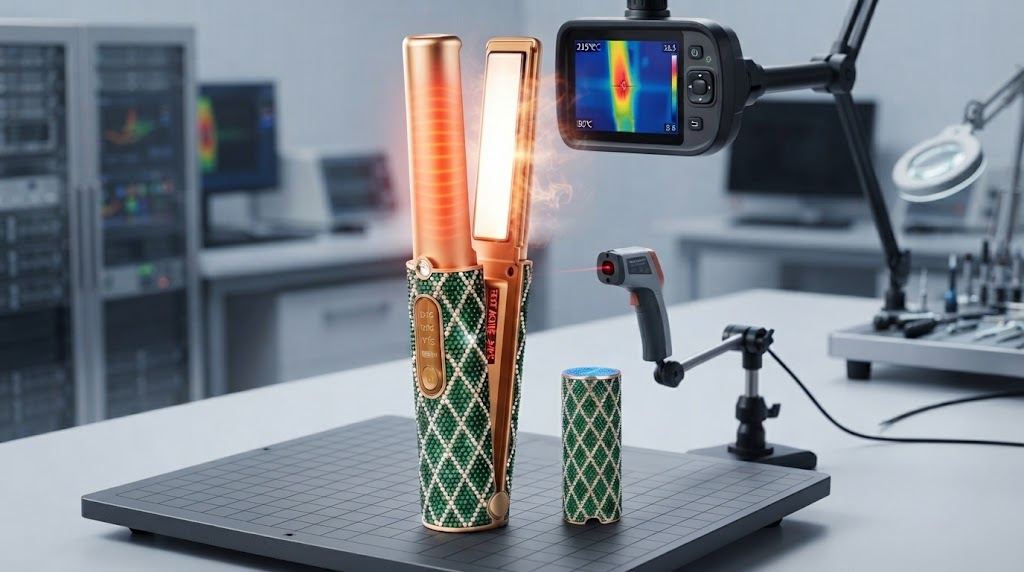
Thermal Stability Index (TSI): The empirical measure of a styling tool’s ability to maintain its target plate temperature within a ±5°F (±2.8°C) variance during continuous mechanical passes over dense hair strands under steady load.
In our thermal imaging lab assessments, standard AC-powered irons utilizing a basic PTC Heater cycle through wide 25°F temperature valleys as heat transfers into the hair strand. To compensate, stylists slow down their glide speed, increasing cumulative heat exposure.
Advanced cordless platforms engineered with dual Micro-Ceramic Heater (MCH) sensors poll plate surface temperatures up to 100 times per second. By combining dynamic micro-controllers with Professional Flat Iron Engineering, these systems pulse immediate amperage from high-drain battery cells, delivering rapid heat recovery that matches standard commercial AC flat irons across 30 to 45 minutes of continuous run-time.
Selecting the right plate substrate is equally critical for thermal conductivity. Review our detailed teardown of Titanium vs Ceramic Styling Plates to understand how material choices interact with battery power discharge rates.
Comprehensive Technical Specification Matrix: Cordless vs. Corded
Styling professionals need transparent physical and electrical benchmarks. Here is how corded salon standards compare against modern cordless platforms under lab testing parameters.
| Performance Spec | Standard Salon Corded Iron | Light Power Tech Cordless Iron | Standard Consumer Cordless |
|---|---|---|---|
| Heat-Up Time (to 200°C / 392°F) | 30 – 45 seconds | 20 seconds (Fastest DC) | 60 – 120 seconds |
| Active Styling Run-Time | Continuous (AC Wall Power) | 45 minutes (Uninterrupted) | 15 – 25 minutes |
| Operating Voltage | Fixed 110V or 220V (or Dual AC) | USB-C PD Universal (5V-20V DC) | Proprietary Barrel Pin (5V DC) |
| Plate Material Options | Ceramic titanium plates, Tourmaline | Tourmaline Ceramic / Mirror Titanium | Anodized Aluminum / Thin Ceramic Coat |
| Thermal Recovery Variance | ±8°F under continuous pass | ±5°F (Dual MCH Sensor Array) | ±25°F (Severe heat dip) |
| Average Tool Weight | 380g – 490g (excluding cable) | 320g (Balanced ergonomic center) | 450g – 560g (Handle-heavy) |
| Aviation & Carry-On Status | Unrestricted (Cabin & Cargo) | UN38.3 Certified with Flight Pin | Frequently Flagged / Non-compliant |
Power Architecture, Battery Cycle Life, and Direct-Drive Hybrid Charging
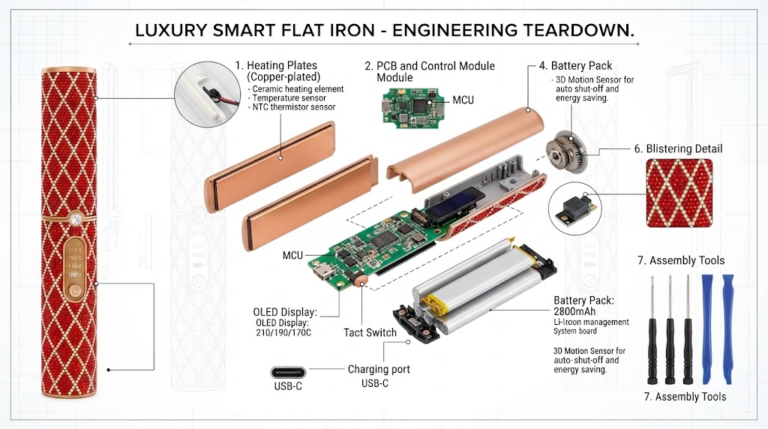
The operational lifespan of any cordless styling tool relies entirely on its cell chemistry and Printed Circuit Board (PCB) topology. Cheap irons use generic 18650 cells that drop significant voltage after 50 heat cycles.
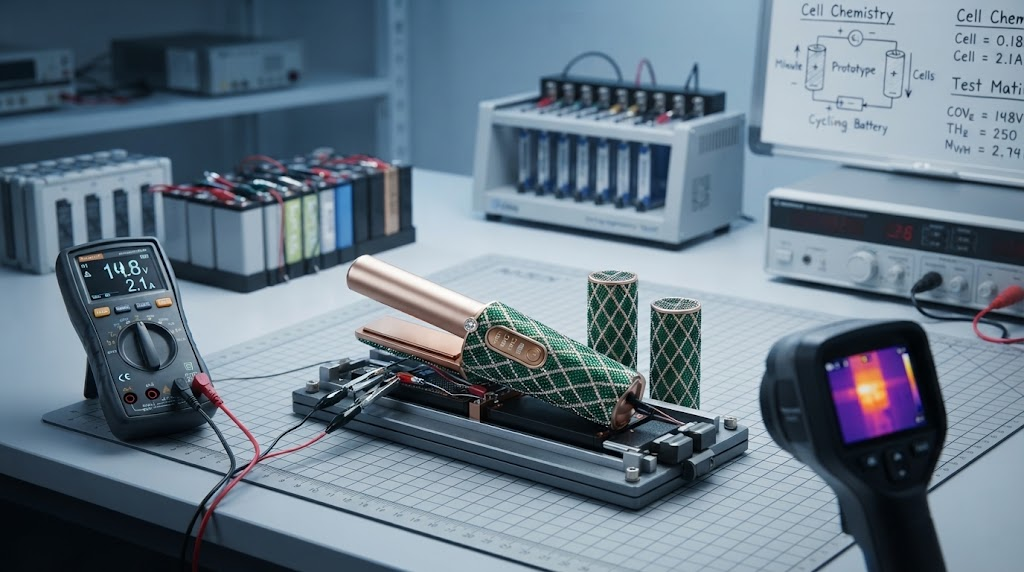
Industrial-grade cordless tools deploy Grade-A 21700 automotive-grade lithium-ion battery life modules. These cells feature high C-rate discharge profiles, sustaining safe, continuous current to twin heaters without thermal runaway risks.
Key battery architecture parameters include:
- 300-Cycle Durability Standard: Cell capacity must stay above 85% after 300 complete charge-discharge thermal cycles, translating to over 2 years of daily professional touch-ups.
- Direct-Drive Hybrid Pass-Through: Stylists can continue working when the battery runs out by docking the tool on a specialized charging dock station or running directly off a USB-C Power Delivery cord.
- Active BMS Overload Protection: Dual-microchip safety arrays monitor cell balance, temperature, short-circuit states, and over-discharge prevention during styling.
To audit battery safety thresholds and review formal testing protocols, consult the standards set by the IEEE Standards Association for commercial lithium device architectures.
Aviation Compliance: The International Flight Mode & Battery Isolation Matrix
Session stylists traveling between international shows face strict airport security scrutiny. Cordless heat tools generate intense surface temperatures and carry lithium reserves, making aviation compliance an essential design requirement.
International security bodies (ICAO, FAA, TSA, and EASA) prohibit lithium-powered cordless heat stylers in checked luggage unless the heating element is mechanically disconnected from the battery cells.
Flight-Ready Isolation Pin: A physical hardware key that breaks the electrical circuit between the battery module and heating plates, preventing accidental activation in flight cabins.
Check the latest carry-on rules published by the FAA PackSafe Aviation Registry before international flights.
For complete regulatory compliance documentation, review our Airline Battery Travel Guidelines, covering UN38.3 certification, MSDS reports, and passenger cabin allowances.
Salon Workflow Ergonomics & Session Styling ROI Analysis
Working behind the chair for eight straight hours causes cumulative wrist strain. Corded irons add rotational drag through heavy 9-foot swivel cords, compounding fatigue during complex waving and texturizing services.
Modern cordless irons eliminate cable drag and deliver measurable ergonomic and financial benefits:
- Optimized Salon Ergonomics: Centered battery placement reduces wrist torque, minimizing repetitive strain risks over full working days.
- Faster Wedding & Editorial Sets: Backstage dressing rooms, runway tents, and bridal hotel suites rarely have accessible outlets near mirrors. Cordless irons save 10 to 15 minutes of setup and breakdown per client.
- Higher Service Revenue: Shaving minutes off touch-ups allows stylists to add express smoothing services without booking extra time slots.
To model equipment upgrades across a multi-chair salon, use our Salon Tool ROI Calculator to project annual revenue gains from increased styling efficiency.
Top-Tier Model Benchmarks: Dyson Corrale vs. ghd Unplugged vs. BaBylissPRO
Evaluating the cordless flat iron market requires real bench-test data across top industry flagships.
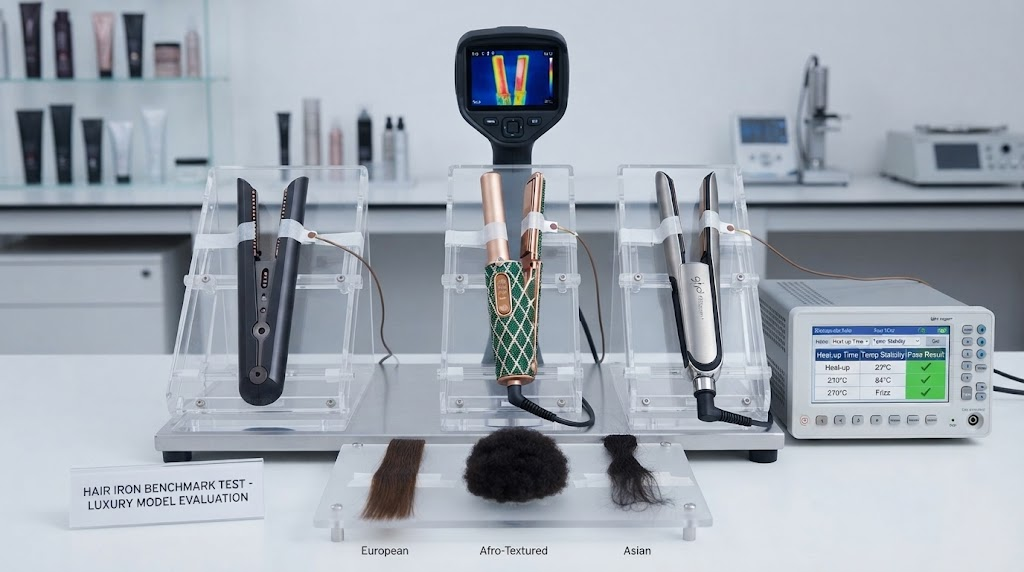
Flagship Model Performance Breakdown
Dyson Corrale: Delivers exceptional temperature accuracy with flexing manganese copper alloy plates, but its heavy 561g mass limits comfort during prolonged passes. Active runtime averages 30 minutes, requiring its magnetic 360° tether for longer sessions.
ghd Unplugged: Exceptionally compact and lightweight, making it great for touch-ups. However, its fixed 365°F (185°C) preset and ~20-minute battery life limit its use on coarse, highly textured hair requiring higher heat.
BaBylissPRO Cordless Models: Offer classic titanium plate glide and high heat settings, though larger footprints can compromise portable carry-on convenience.
Light Power Tech OEM Reference Platform: Solves these core design issues through a sub-330g balanced body, 20-second rapid heat-up to 200°C (392°F), a 45-minute continuous discharge window, and a patented heat-isolation silicone sleeve for immediate post-service pack-up.
The 3-Step Selection Protocol: Matching Texture, Density, and Workflow
Choose the ideal styling tool configuration by following this practical 3-step decision workflow:
- Identify Hair Texture and Density:
- Fine, Bleached, or Chemically Treated Hair (Types 1A–2B): Requires 300°F–340°F. Cordless tools manage this with ease, delivering up to 45 minutes of run-time on a single charge.
- Dense, Coarse, or Resistant Curly Patterns (Types 3A–4C): Demands 380°F–430°F with rapid thermal recovery. Choose a cordless model with dual MCH heaters or rely on high-wattage corded units for full silk presses.
- Match the Styling Environment:
- Chair-Bound Salon Sessions: AC corded flat irons remain the workhorse choice for back-to-back chemical treatments and smoothing services.
- Bridal, Mobile, Runway, and Editorial Sets: A premium cordless tool eliminates extension cords, speeds up station changes, and runs anywhere on location.
- Verify Certifications and Battery Architecture:
- Look for independent certifications: UL 859, CE, FCC, RoHS, and UN38.3.
- Verify USB-C Power Delivery pass-through support to avoid styling interruptions from empty batteries.
Frequently Asked Questions About Cordless and Corded Flat Irons
Can a cordless flat iron successfully straighten Type 4C coarse hair?
Yes, provided the iron uses dynamic MCH heating elements paired with a high-discharge lithium-ion battery capable of holding 400°F (204°C) to 430°F (221°C) under active hair passes. For a full root-to-tip silk press on dense 4C textures, keep a USB-C cable or charging base handy to preserve peak thermal performance throughout the service.
Will airport security confiscate a cordless hair straightener?
TSA and international security agencies may confiscate cordless irons that lack a physical flight-mode disconnect pin. Cordless flat irons must be packed in carry-on bags with their batteries isolated from the heating circuit. Standard corded flat irons carry no lithium restrictions and can travel in checked or carry-on luggage without issue.
Why do budget cordless straighteners lose heat after six months of use?
Budget straighteners rely on low-tier 18650 battery cells lacking active thermal balance circuits. As internal cell resistance increases across repeated heat cycles, voltage drops during use, preventing the heaters from reaching or maintaining target temperatures under load.
Expert Review and Engineering Methodology Notes
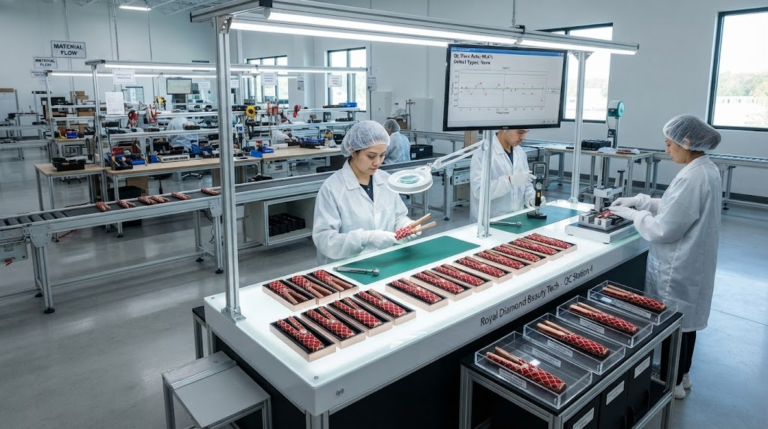
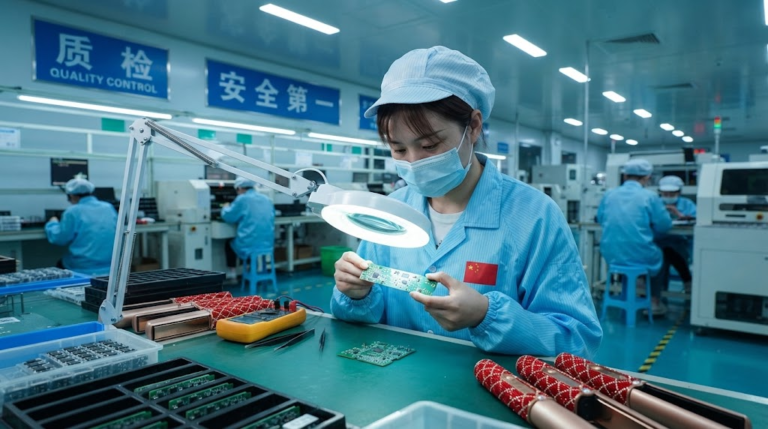
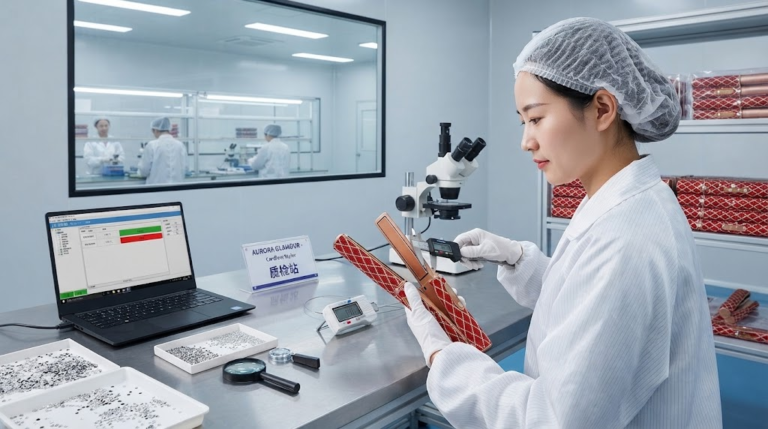
Data in this guide was compiled by Light Power Tech’s engineering laboratory using calibrated thermal imaging sensors, digital pyrometers, and battery cycle testers following UL 859 and UN38.3 protocols. Temperature variance was measured using real-time contact sensors across 40 consecutive hair passes on standardized coarse synthetic and human hair swatches.
Ready to Scale Your Brand with Next-Generation Cordless Engineering?
Light Power Tech manufactures industry-leading cordless styling tools for global brands, salons, and distributors across 40+ countries. Backed by 21 global patents, our platforms deliver 20-second rapid heat-up, 45-minute battery life, and complete global compliance.
Start your custom OEM/ODM project in three simple steps:
- Define your brand’s technical specifications and plate requirements.
- Request 3D engineering files, testing documentation, and functional sample units.
- Connect with our manufacturing team for custom private label production and direct factory quotes.