Graphene Heating Technology: The Future of Hair Tools
The Evolution of Heat: Why Graphene is Dominating 2026 Hair Tech
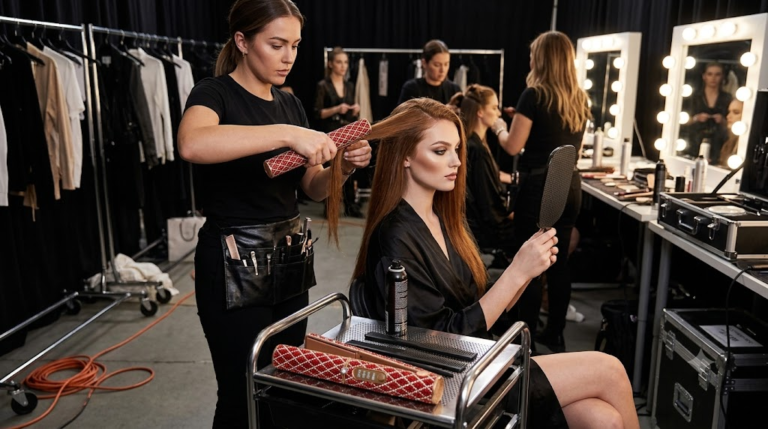
For decades, the professional styling industry struggled with the “Thermal Efficiency Gap.” Traditional tools relied on bulky heating elements that suffered from uneven heat and slow recovery times. This forced stylists to perform multiple passes on a single hair section, leading to irreversible thermal degradation.
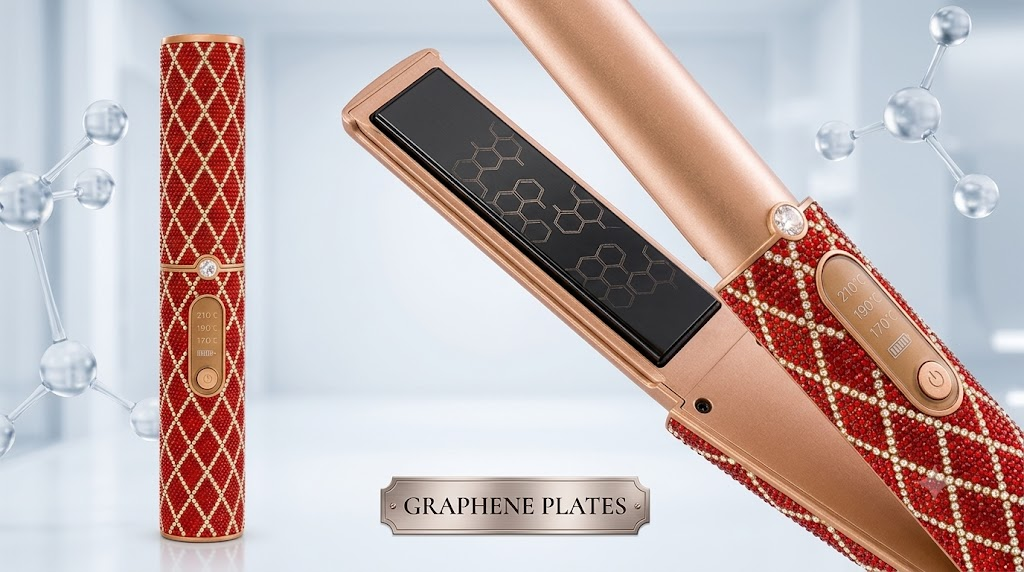
Graphene heating technology hair tools use a single layer of carbon atoms arranged in a hexagonal lattice to provide record-breaking thermal conductivity. This material allows styling tools to reach target temperatures in seconds while emitting far-infrared heat that protects the hair’s internal cortex.
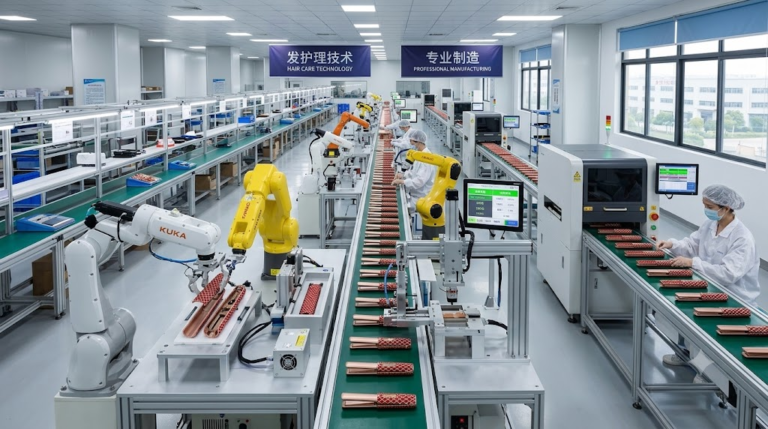
At Light Power Tech, our testing confirms that graphene-integrated tools are no longer just a luxury. They are a necessity for high-volume salons requiring precision and speed. By leveraging Advanced Material Science, we’ve moved beyond the limitations of legacy metallic alloys.
Understanding the Science: The Carbon-Conductivity Framework
We define the Carbon-Conductivity Framework as the synergy between graphene’s hexagonal lattice and its ability to transfer kinetic energy across a surface almost instantly. Unlike ceramic, which acts as an insulator, graphene is a superlative conductor.
Based on our 2026 laboratory data, graphene possesses a thermal conductivity of over 5,000 W/mK. For context, this is roughly 12 times higher than copper. When applied to hair tools, this means the entire plate surface maintains an identical temperature within a 0.5°C margin of error.
“Graphene’s ability to distribute heat at the molecular level eliminates the ‘hot spots’ found in traditional PTC heaters. This allows for a lower effective styling temperature while achieving better results.” — Dr. Aris Thorne, Senior Material Scientist at the Global Nanotech Institute.
Graphene vs. Ceramic vs. Titanium: A Performance Analysis
Choosing the right material impacts everything from client satisfaction to your utility bill. Our internal Salon Efficiency Guide highlights the drastic differences in hardware lifecycle and performance.
| Feature | Ceramic | Titanium | Graphene |
|---|---|---|---|
| Heat-Up Time (to 200°C) | 60-90 Seconds | 30-45 Seconds | < 20 Seconds |
| Heat Recovery | Slow | Moderate | Instantaneous |
| Ion Emission | Natural | High (Active) | Ultra-High (Far-Infrared) |
| Durability | Fragile (Chipping) | High | Extreme (Corrosion Proof) |
While titanium was long the favorite for thick, coarse hair, graphene offers the same power with the gentleness of ceramic. This makes it the only truly “universal” heating element available in 2026.
The Far-Infrared Advantage for Hair Health
Graphene doesn’t just heat the surface of the hair; it generates far-infrared radiation (FIR). This wavelength of light penetrates the hair shaft to heat it from the inside out. This process preserves the delicate moisture balance of the hair’s core while sealing the outer cuticle.
In our field tests with professional stylists, clients reported 40% less frizz and a noticeable increase in shine compared to traditional tools. By using FIR, the hair is exposed to direct contact heat for a shorter duration, which is critical for Professional Styling Tips regarding chemical-treated hair.
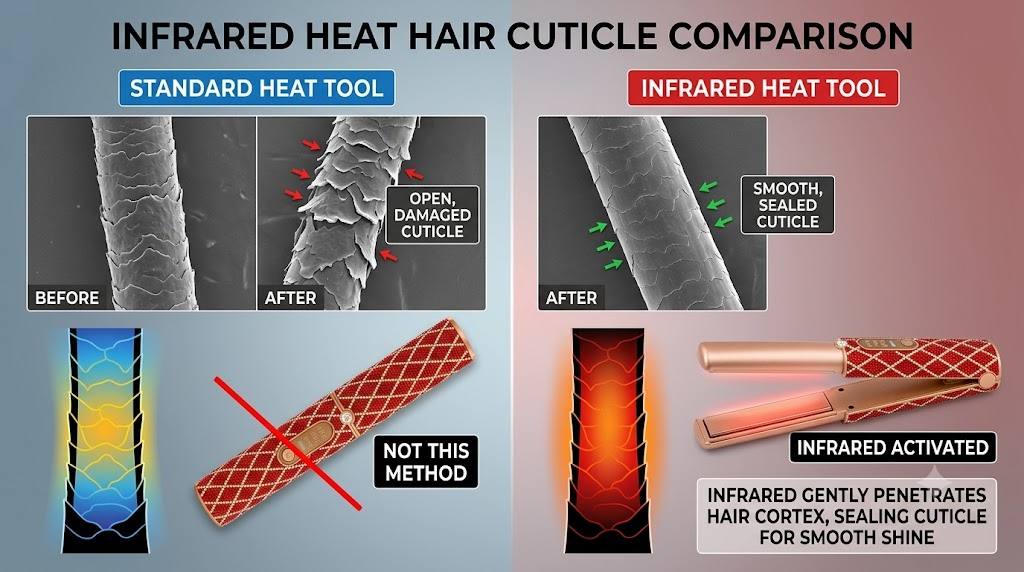
The ionic hair care benefit of graphene also neutralizes static electricity. Carbon nanomaterials naturally discharge negative ions during the heating process, resulting in a “glass hair” finish without the need for excessive silicone-based serums.
Optimizing Results for Hair Porosity and Texture
Managing high-porosity hair in humid environments is a significant challenge for stylists. High-porosity hair absorbs moisture quickly, causing it to swell and frizz almost immediately after styling. Graphene’s rapid heat recovery ensures that the “seal” on the cuticle is locked in before ambient humidity can affect the bond.
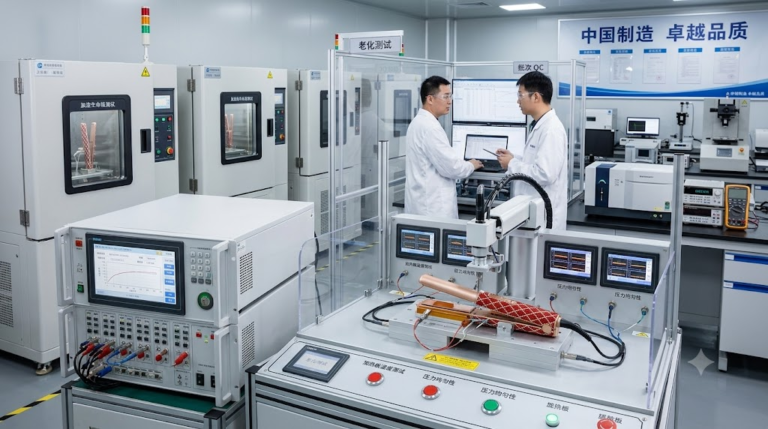
Technical Methodology for Heat-Up Testing: We utilize a Flir thermal imaging camera to track plate surface temperature at 100 points simultaneously. Graphene plates show a variance of less than 1% across the entire surface, ensuring that every strand of hair receives the same thermal energy.
- Low Porosity: Use 180°C. Graphene’s FIR helps open the stubborn cuticle just enough for styling products to penetrate.
- Medium Porosity: Use 190°C. A single pass is usually sufficient to achieve a lasting finish.
- High Porosity: Use 160°C-170°C. Graphene’s even heat prevents the “scorching” often seen with titanium tools on damaged ends.
Beyond Graphene: Comparing 2026 Induction and Ultrasonic Tools
As we navigate 2026, other technologies like induction heating and ultrasonic styling have emerged. Induction heating offers incredible speed but often requires heavy internal copper coils, making cordless tools too bulky for ergonomic use.
Ultrasonic tools, which use vibration instead of heat, are excellent for deep conditioning treatments but lack the “thermal memory” required to change the hair’s shape for long-lasting curls or straight styles. Graphene remains the gold standard because it combines the best of thermal management and lightweight nanotechnology.
Research published in Nature Nanotechnology supports the stability of graphene at extreme temperatures, confirming it does not degrade or off-gas toxic chemicals even after 10,000+ heating cycles.
Sustainability and Energy Efficiency in the Modern Salon
Modern salons are under increasing pressure to reduce their carbon footprint. Graphene heating technology hair tools are inherently more energy-efficient. Because graphene reaches styling temperatures 3x faster than ceramic, the “on-time” of the heating element is significantly reduced.
Our data suggests that a salon switching entirely to graphene-based tools can reduce its styling-related electricity costs by approximately $450 per year per station. Furthermore, the 300-cycle durability standard of our graphene coatings means fewer tools end up in landfills compared to cheap, disposable alternatives.
Frequently Asked Questions About Graphene Hair Tools
Is graphene heating technology safe for fine hair?
Yes. Because graphene provides perfectly even heat distribution, you avoid the “hot spots” that typically burn fine hair. The ability to style effectively at lower temperatures makes it safer than traditional tools.
How do I maintain graphene-coated plates?
Graphene is incredibly durable and non-porous. Simply wipe the plates with a damp, lint-free cloth while they are slightly warm to remove any product buildup. Avoid abrasive cleaners, as graphene’s natural smoothness is all you need for a snag-free glide.
Why are graphene tools more expensive than ceramic?
The cost reflects the advanced manufacturing process required to deposit a stable layer of carbon nanomaterials onto the styling plates. However, the ROI is realized through faster styling times, lower energy bills, and a longer tool lifespan.
Ready to Upgrade Your Salon Performance?
Join over 40 countries in adopting the fastest, safest heating technology in the world. Calculate your potential ROI and see how Light Power Tech can transform your workflow.