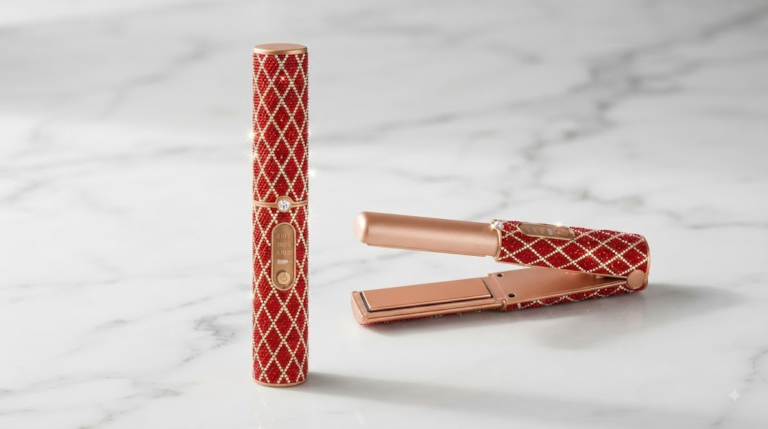
Zero-Defect Cordless Hair Straightener Quality Control
Defining Zero-Defect Standards in Cordless Hair Tool Manufacturing
In the high-stakes world of professional hair styling, a battery failure isn’t just a technical glitch—it is a safety hazard. At Light Power Tech, we define “Zero-Defect” manufacturing as a systematic elimination of kinetic and thermal variance.
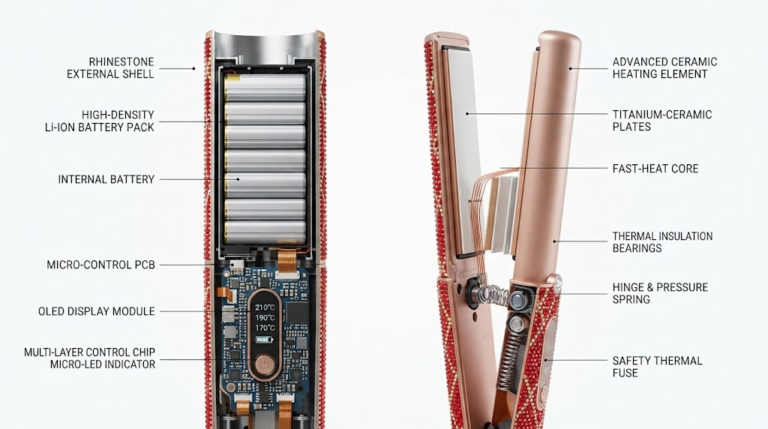
For a cordless hair straightener quality control program to be effective, it must account for the extreme thermal environment these tools inhabit. We aren’t just building a battery; we are building a high-discharge power plant that sits inches from a user’s face.
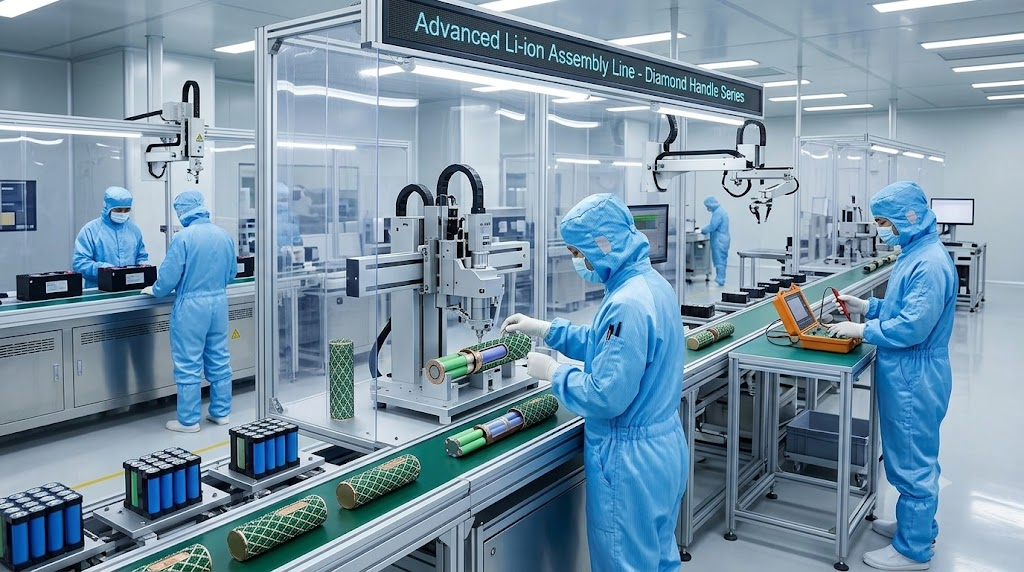
The 6-Step Precision QC Protocol for Reliable Flat Irons
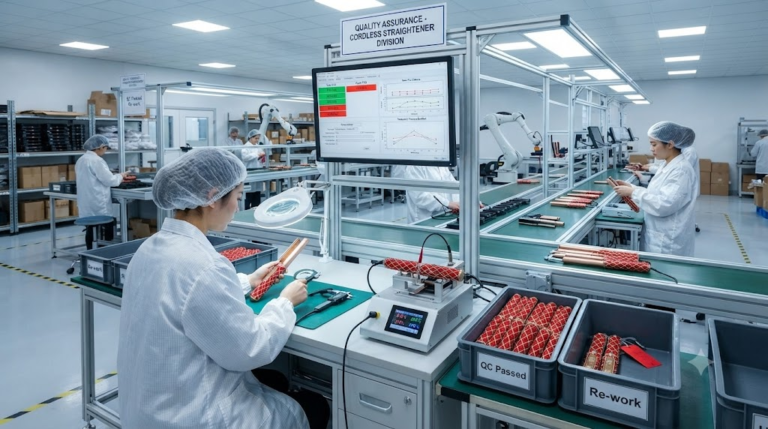
Achieving a zero-defect output requires moving beyond simple “pass/fail” tests. We utilize what we call The Kinetic Reliability Protocol (KRP), a proprietary framework designed to identify latent battery defects before they reach the consumer.
“Battery stability in hair tools isn’t merely about capacity; it’s about discharge curve consistency under 200°C thermal loads. We look for micro-volatility that standard testers often miss.” — Senior Battery Engineer, Light Power Tech.
Step 1: Battery Cell Grading and Capacity Matching
Every Lithium-ion cell entering our reliable hair tool factory undergoes automated grading. We match cells based on internal resistance and voltage curves to prevent thermal imbalance.
Step 2: PCBA Bare Board Functional Testing
Before assembly, the Printed Circuit Board Assembly (PCBA) is tested for its Battery Management System (BMS) integrity. We verify that overcharge, over-discharge, and short-circuit protection triggers are 100% active.
Step 3: Semi-Finished Heating Element Stability
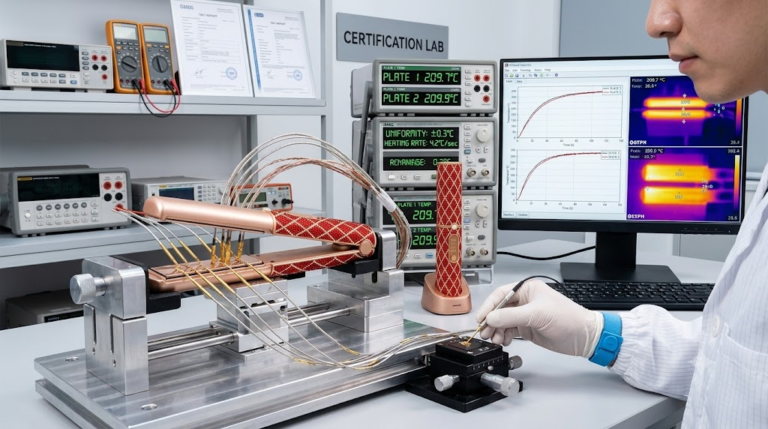
We test the MCH (Metal Ceramics Heater) elements in isolation. This ensures that the power draw from the battery remains within a ±2% variance, preventing unexpected spikes that degrade battery life.
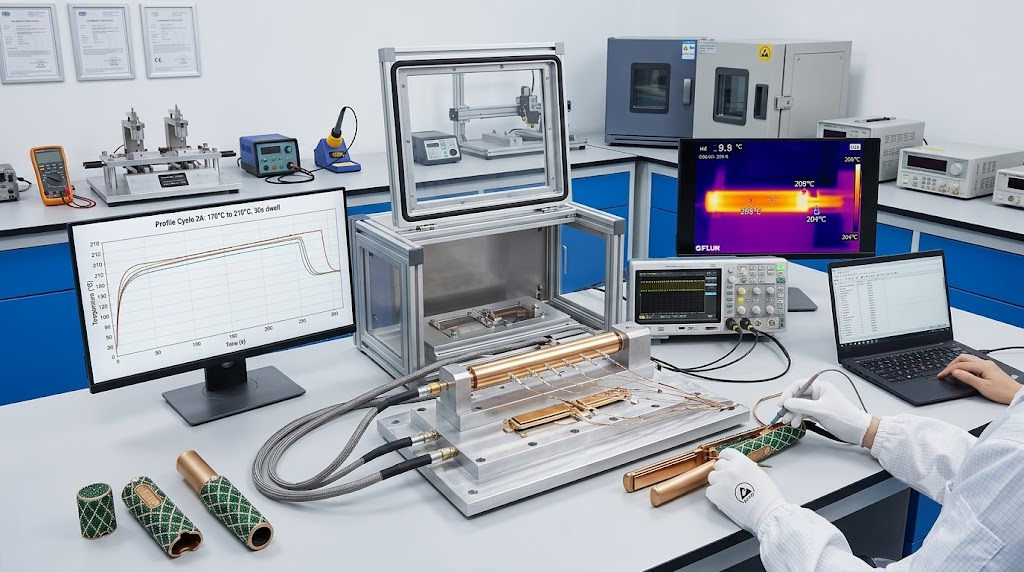
Step 4: The 48-Hour Full-Load Aging Protocol (4 Cycles)
This is our core differentiator. While competitors do 15-minute spot checks, we subject every single unit to a minimum of four full charge/discharge cycles under maximum heat load. This 48-hour process flushes out “infant mortality” defects in the cells.
Step 5: 1.2-Meter Micro-Drop Durability Test
Real-world use involves drops. We simulate this by performing standardized 1.2-meter drop tests on 2026 production batches to ensure that internal battery connections and the patented heat-isolation sleeve remain intact.
Step 6: OQC Final Inspection and AQL 1.5/4.0 Standards
Our Outgoing Quality Control (OQC) follows the international AQL 1.5/4.0 standard. We maintain an open-door policy for third-party auditors like SGS or Intertek to verify these metrics at any time.
The ROI of Reliability: Why a 0.3% Defect Rate Matters
In the flat iron manufacturing process, the “Cost of Quality” is often misunderstood. A 3% defect rate—the industry average—can destroy a brand’s Amazon ranking or retail partnership within months.
| Metric | Industry Average (3%) | Light Power Tech (<0.3%) |
|---|---|---|
| Return Logistics Cost | High (Profit Killer) | Negligible |
| Customer Review Avg. | 3.2 – 3.8 Stars | 4.7 – 4.9 Stars |
| Retailer Trust | High Risk / Penalties | Preferred Partner Status |
2026 Global Safety Compliance: Beyond the Battery
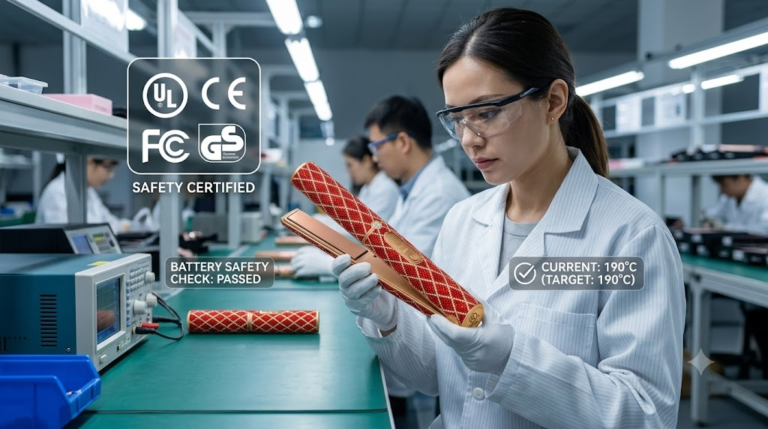
As we move through 2026, the regulatory landscape for sustainable electronics is tightening. Compliance with UL 1642 for lithium cells is now the bare minimum.
Forward-thinking brands are now requesting thermal runaway simulations and Manufacturing Execution System (MES) data logs for every batch. This level of transparency ensures that every unit shipped is a “known good” device.
Frequently Asked Questions on Hair Tool Manufacturing
What is the standard lead time for a 0.3% defect batch?
Typically, 35-45 days. The 48-hour aging process is non-negotiable for quality, so we do not offer “rush” services that bypass these safety protocols.
Can we send our own QC team to the factory?
Yes. We welcome third-party inspectors from SGS, Intertek, or your own internal team. We operate under ISO 9001:2015 standards and provide full access to our testing labs.
Ready to Secure Your Brand’s Future?
Don’t let high defect rates destroy your reputation. Partner with the experts in cordless technology.